
The Halfway Point
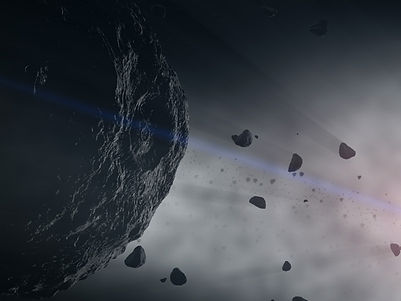
The asteroid belt is located 2.2 AU (astronomical units) away from the sun and is roughly 1 AU wide. In movies the asteroid belt is shown as the asteroids being very close together, however for the most part these massive space rocks are about 600,000 miles apart (roughly twice the distance between Earth and our moon).
Asteroid Belt Facts
-
The Asteroid Belt is the point in the Solar System from rocky planets to gas giants
-
The current known asteroid count is 1,107,074
-
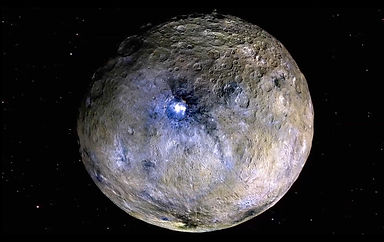
The Asteroid Belt is not only made up of asteroids, but is also home to the dwarf planet Ceres
-
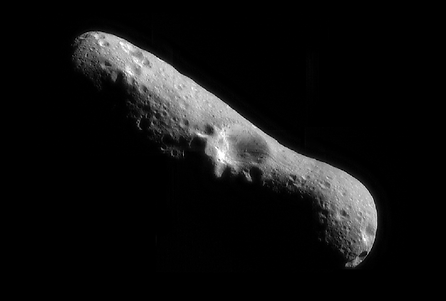
The asteroids in the belt range in size from pebbles to larger than the New York State
-
The largest asteroid in the belt is Vesta at 329 miles in diameter
-
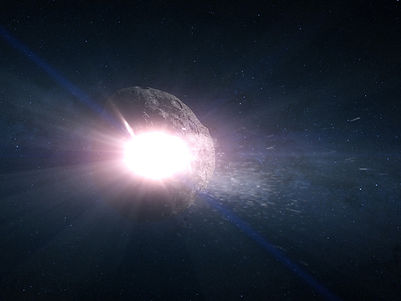
Early in the history of the solar system, the gravity of newly formed Jupiter brought an end to the formation of planetary bodies in this region and caused the small bodies to collide with one another, fragmenting them into the asteroids we observe today.
-
The total mass of all the asteroids combined is less than that of Earth's Moon
-
The three broad composition classes of asteroids are C-, S-, and M-types:
-
C types: most common, composed of clay and silicate rocks, dark appearance, oldest objects in the solar system
-
S types: made up of silicate materials and nickel-iron (stony)
-
M types: metallic, asteroids' compositional differences are related to how far from the Sun they formed
-
-
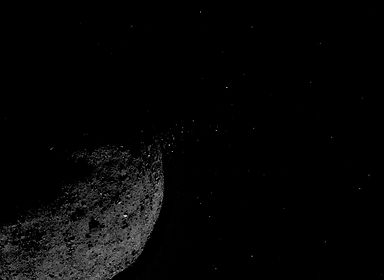
The orbits of asteroids can be changed by Jupiter's massive gravity – and by occasional close encounters with Mars or other objects. These encounters can knock asteroids out of the main belt, and hurl them into space in all directions across the orbits of the other planets.